

Witch Please!
Be Careful Who You Choose to Believe

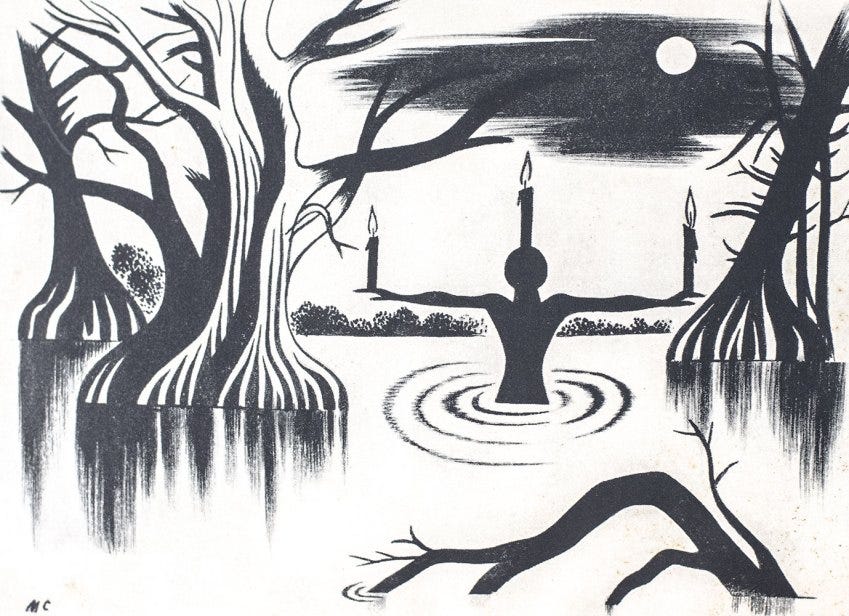
One thing I knew for certain about “roots” was that it isn’t something you speak about casually. Not in everyday conversation, and for damn sure not in mixed company. It’s private, secret, underground, and in many circles it is a taboo conversation. Like most of the syncretized Afro-diasporic spiritual traditions her in the west, it is oral. The knowledge is inherited and entrusted to the lineage of those who ancestors divined the rituals.
But in these internet days and times, knowledge is slippery and makes it way outside of the enclaves that bore and protect it. At the beginning of my search for literary and occult literature on Hoodoo and conjure, I wandered through Black owned bookshops in Black locale to see what I could find. There I found a vast assortment of texts that I cross referenced online, that have been authored not by those descendants of the culture – but by white people laying claim to these old school rituals.
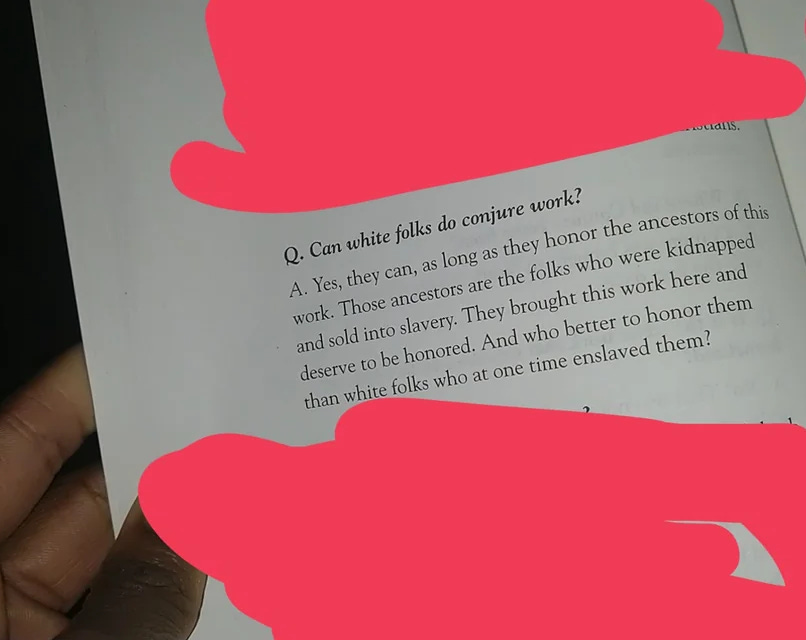
Don’t let these people play in your face. Hoodoo is a North American African diasporic spiritual practice. It belongs to those who suffered at the hands and systems of American Chattel enslavement. It is rooted in the liberating framework of rebellion against bondage. No, white people cannot correctly practice Hoodoo because it is in direct opposition to the position of being white in the first place.
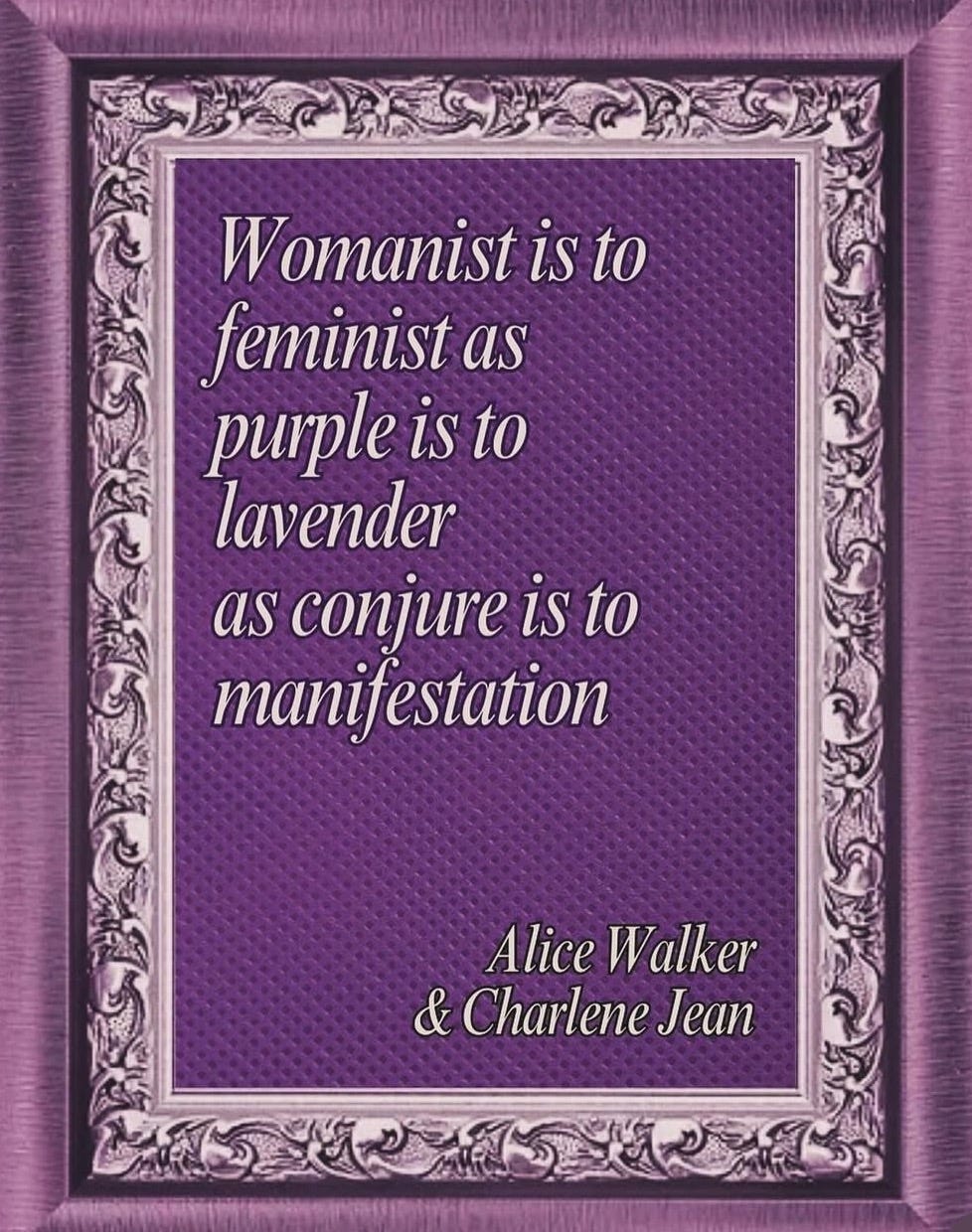
Conjure is part medicine and part liberation work – seeking and making ways for justice for those who were deliberately and unfairly denied humanity. In the last half of this decade the practice is getting much deserved attention again, nearly 100 years after Zora Neale Hurston brought this clandestine system of justice into the so-called mainstream.
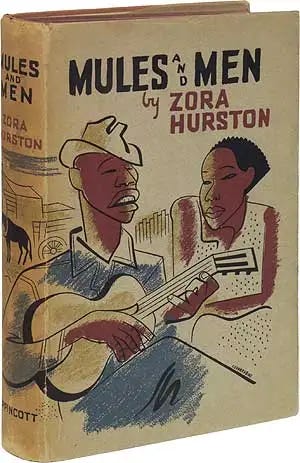
Mules and Men was the first of its kind; an auto-ethnographic collection of Hoodoo prayers & anathema; as well as the vivid language and context that cradles Black American folklore. Unlike the untrained mostly non-Black data collectors sent out into the field after the publication of Hurston’s work, to collect narratives (for the Federal Writers’ Project), from descendants of enslaved Africans, Zora’s power rested in her innate and familial understanding of her subjects. To quote Johnica Rivers, Hurston used “land as source material,” as she collected stories, histories, and folk antidotes to racial terror. Her refusal to other herself from her subject was an ontological choice – legitimizing the authenticity of the chorus who make up the voices in the book.
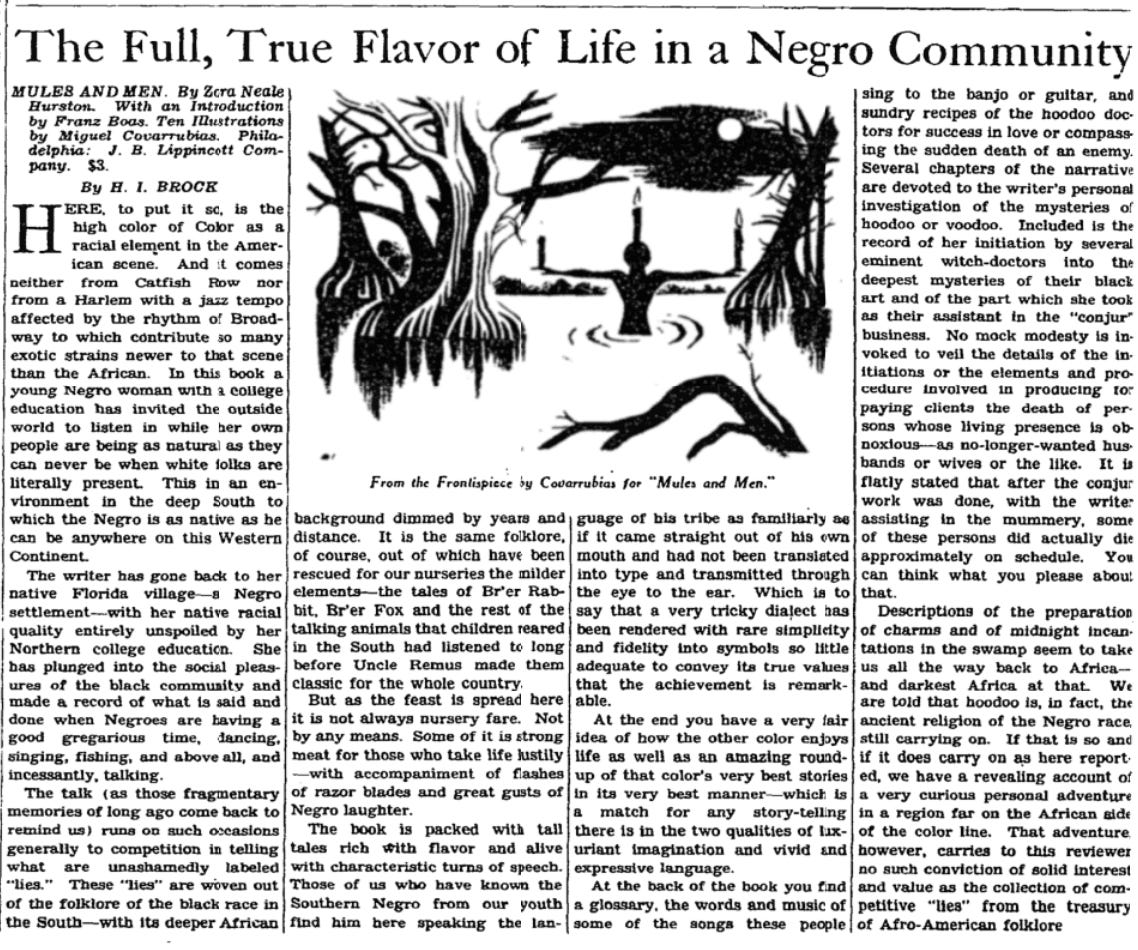
Back then, not unlike now this was considered a no-no in the anthropological circles Hurston ran in. She entered into the cannon anyway (though later obscured for decades) works that document the robust cultural languages and practices that were happening amongst folks facing incredible adversity and apartheid, thus chipping away at the fiction of a people’s inhumanity, and perhaps revealing the monstrosity slavery, Jim Crow, and the racial caste made of its citizens on the other side of the color line. Hoodoo is a serious reclamation of power, and is not to be played with or taken lightly, but was considered a lesser practice by the powers that be, evidenced in one of the remaining early reviews of Mules and Men.
The month of October is a potent month for divinations, ancestral reverence and seeking out community in nature. As this month comes to a close, I am reminded that it’s critical to properly name and identify those who hold on to the truth of Black America’s lore (and grimoire). We also gotta recognized the tricksters trying to sell us snake oil. Where there is invention in the Black community there is always an exploitative non-Black person on the ready: studying with the aim of exploitation. Appropriation is a part of the culture of white supremacy. This has been true and is true now in the ways diasporic culture has been exported much like the ancestors of its makers. When we allow this to happen, the culture dies.
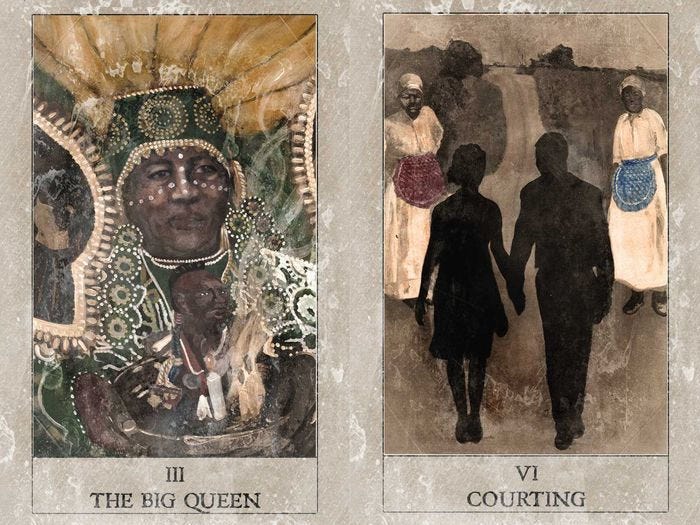
It’s the end of harvest for most regions that suffer winter – and a time for planning, since much of plant life will go dormant and animals prepare for hibernation. As we prepare the altars for our dead, and as the seasons change – it’s important to be very clear about the heritage of a lineage. We have to do the work of uncovering those looking to usurp cultural narratives for the sake of consumption – who play into the tropes that Hollywood have imagined around what spiritual magic looks like, and to tap into our elders and legitimate keepers of sacred knowledge.