

Are you Listening to The Ancestors?
To Be Read: Hoodoo Heritage

This month I’m embracing the more grim, or ghostly motifs of the season. I’m filtering my entertainment through embracing the other side. I’m mostly through watching horror flicks, and reading graphic novels. I like a lil shiver down my spine. But you know what’s scarier, eviler, and what has inspired an unfathomable number of studio slashers, indie body horrors? American. Chattel. Slavery. For some reason the beloved patriots of America don’t want you to get your hands on their epic epochs of shock and disgust. So the best way get to the terrifying tales is to read them! (we know if you wanna hide something from a maga put it in a book…then ban it). The ancestors of our neighbors, our elected officials, our tech technocrats, and the likes, my friends, were capable of some CRUEL, VILE, MACABRE shit. Fucking inventors of gore! Who needs race-horror when you have history. Which leads me to my point!
The Library of Congress has a guide to find narratives on their site. Read them, download them, and share them while you can. Federal Writers’ Project.
I’ve been working through my personal library, with the aims of organizing my collection and these books stood out to me. It’s hard for me to read this kind of material, I must admit, but it’s essential. It’s easy for me to embody that pain, I can feel it - that boundaries that surround them still surround us. It’s their words and stories though - that allow me to get a clearer picture of those who endured the scariest of american nightmare, the antebellum gothic.
This installment of To Be Read has been deeply inspired by BLACK ancestors. Their lives, their stories, our stories, and the ways survival is coded in our many languages.
Slavery Time When I Was Chullun Down on Marster’ Plantation
Edited by Ronald Million & Charles Waller
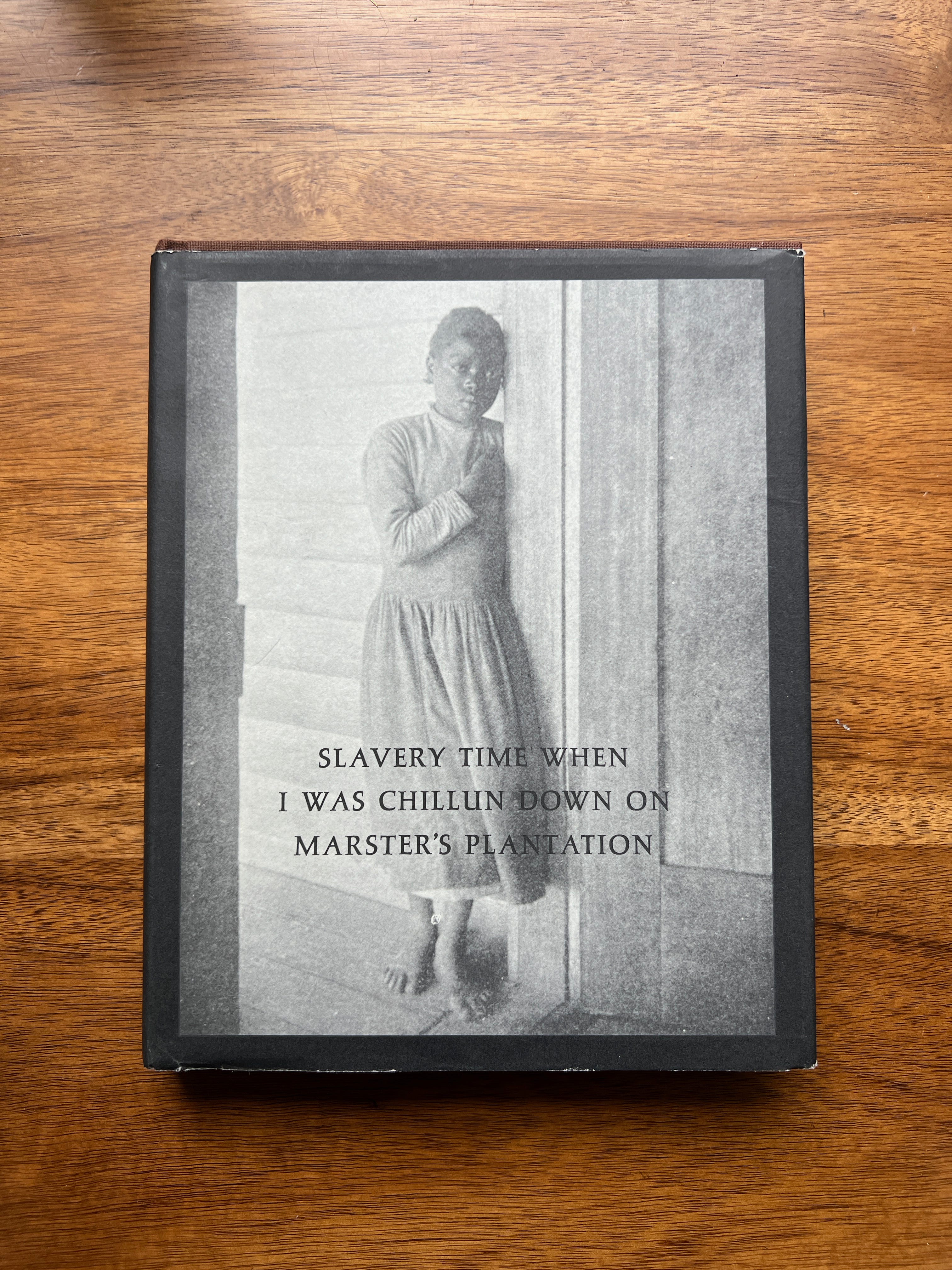
It’s important to remember the context of the Federal Writers’ Project, 1936 to 1938. The staff were white "amateurs, inexperienced and unsophisticated in the use of interview techniques;” and it had been more than 70 years since the emancipation. People were living through the worst parts of the America depression, many of those interviewed were also very young during that time. The list continues, and the questions about the historical validity of these narratives are reasonable.
When Saidiyah Hartman was asked about the utility of the narrative, despite its many structural failings she replied in part:
With all these provisos issued, these narratives nonetheless remain an important source for understanding the everyday experience of slavery and its aftermath.... I read these documents with the hope of gaining a glimpse of black life during slavery and the postbellum period while remaining aware of the impossibility of fully reconstituting the experience of the enslaved.1
Sure the methods were questionable, even the proctors, but the subjects were whole people telling what the chose.
The Annotated African American Folktales
Edited by Henry Louis Gates, Jr & Maria Tatar
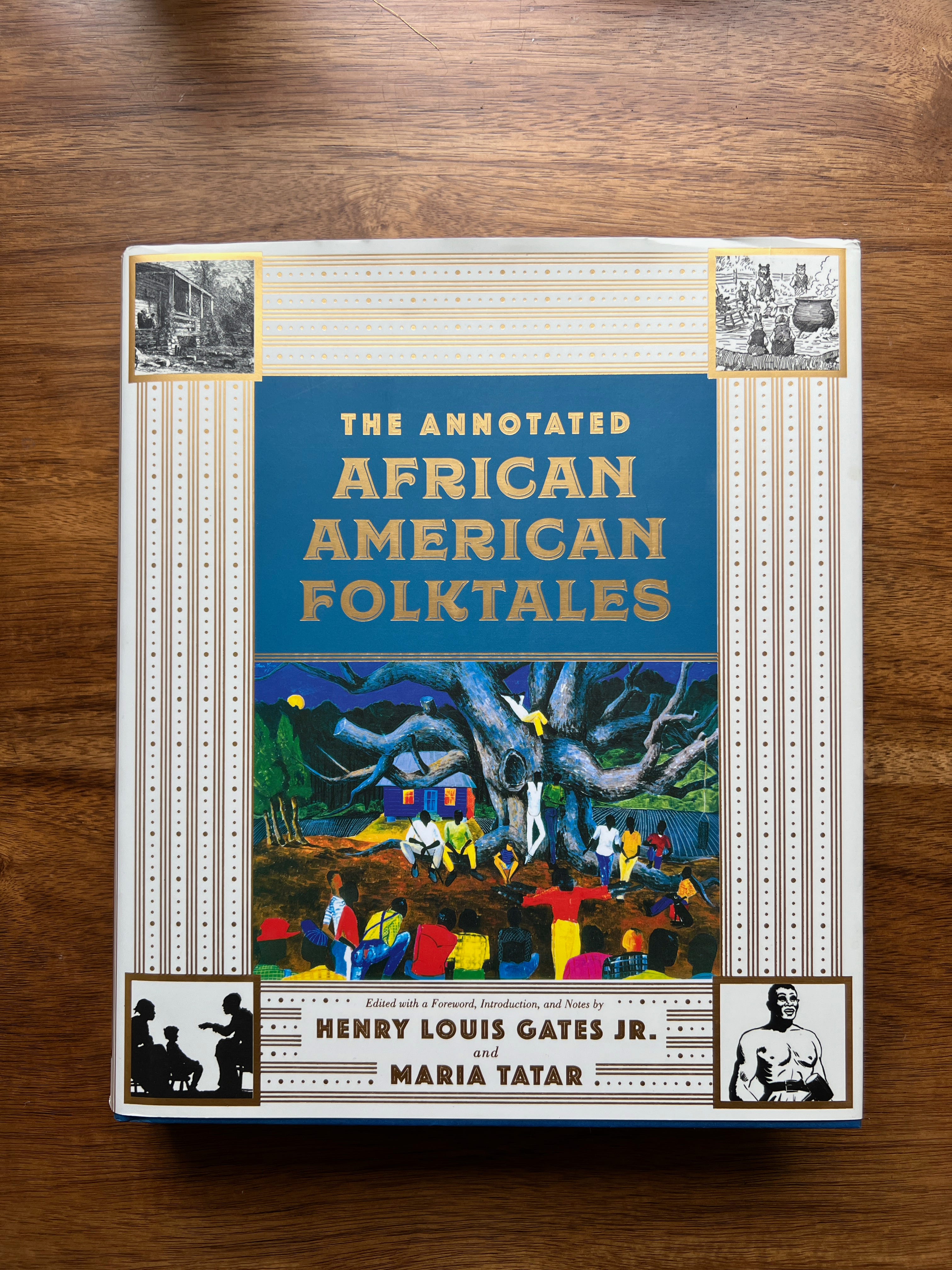
This is a great text for bibliomancy. At your next holiday gathering, take turns selecting a page and read aloud the story or adage to the group (for Black people only).
Beloved Sisters and Loving Friends
Letters from Rebecca Primus of Royal Oak, Maryland, and Addie Brown of Hartford, Connecticut, 1854-1868
Edited by Farrah Jasmine Griffin
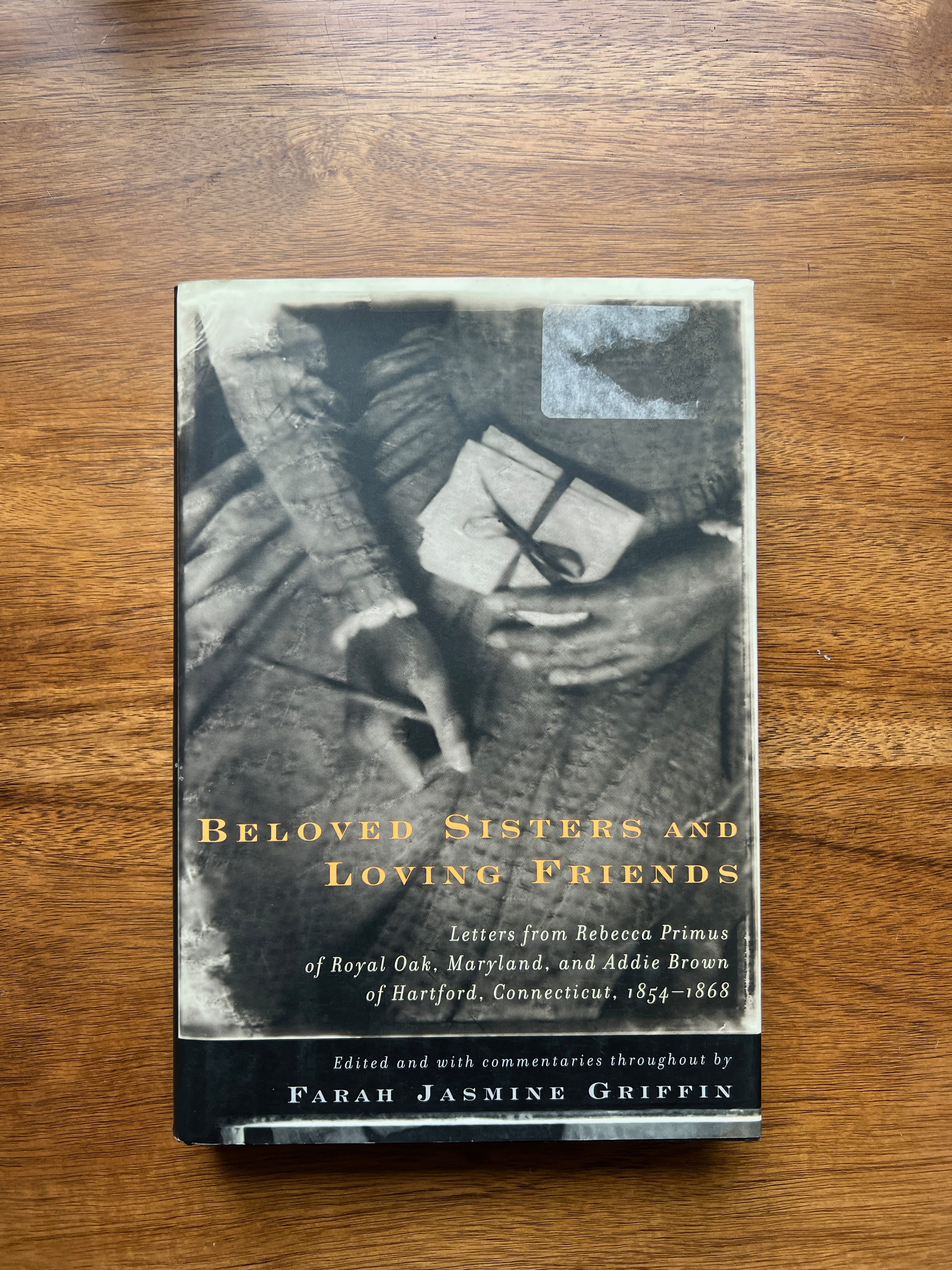
Now I can’t explicitly say this is a very queer archive of two seemingly ordinary Black women in the late 19th century. But I’m heavily suggesting it! Rebecca Primus and Addie Brown were two free Black women living before, during, and after the American Civil War. I’m also surprised because I definitely acquired this book from my mother’s collection, it’s found it’s rightful home.
Editor, Farrah Jasmin Griffin writes:
“For these two women, letter writing was a means of creating community, of gathering and expressing their thoughts, of seeing themselves through each other’s eyes and thereby seeing themselves as something much more than society would have either of them believe . .. We cannot underestimate the historical significance of these documents”
The endearing romantic language often found in the letters between these two friends were written over a decade, while the women traversed the American North & South, coming of age while staying employed, and getting married. Addie passed away shortly after her [possible] marriage [of convince]. Rebecca lived on, building Hartford[, CT’s] Freedmen’s Aid Society, later The Primus Institute - and is one of the many women who contributed to the Reconstruction movement after the Civil War. Their correspondence were found amongst Primus’ personal affects decades later after her death. There are more letters to Rebecca from Addie, and most of the Rebecca’s missives that remained in her posssession read as though written to inform multiple people. I suspect (in the most critically fabulist of ways) that there were other letters, solely in the possession of Addie - that we may never see. It’s leaves me to speculate about queer love more than 140 years ago between two Black women make this time seem less lonely, and reveals queer desires and expressions in our community as normative.
From Slavery to Freedom, 7th Edition
Edited by John Hope Franklin, Alfred A. Moss, Jr.
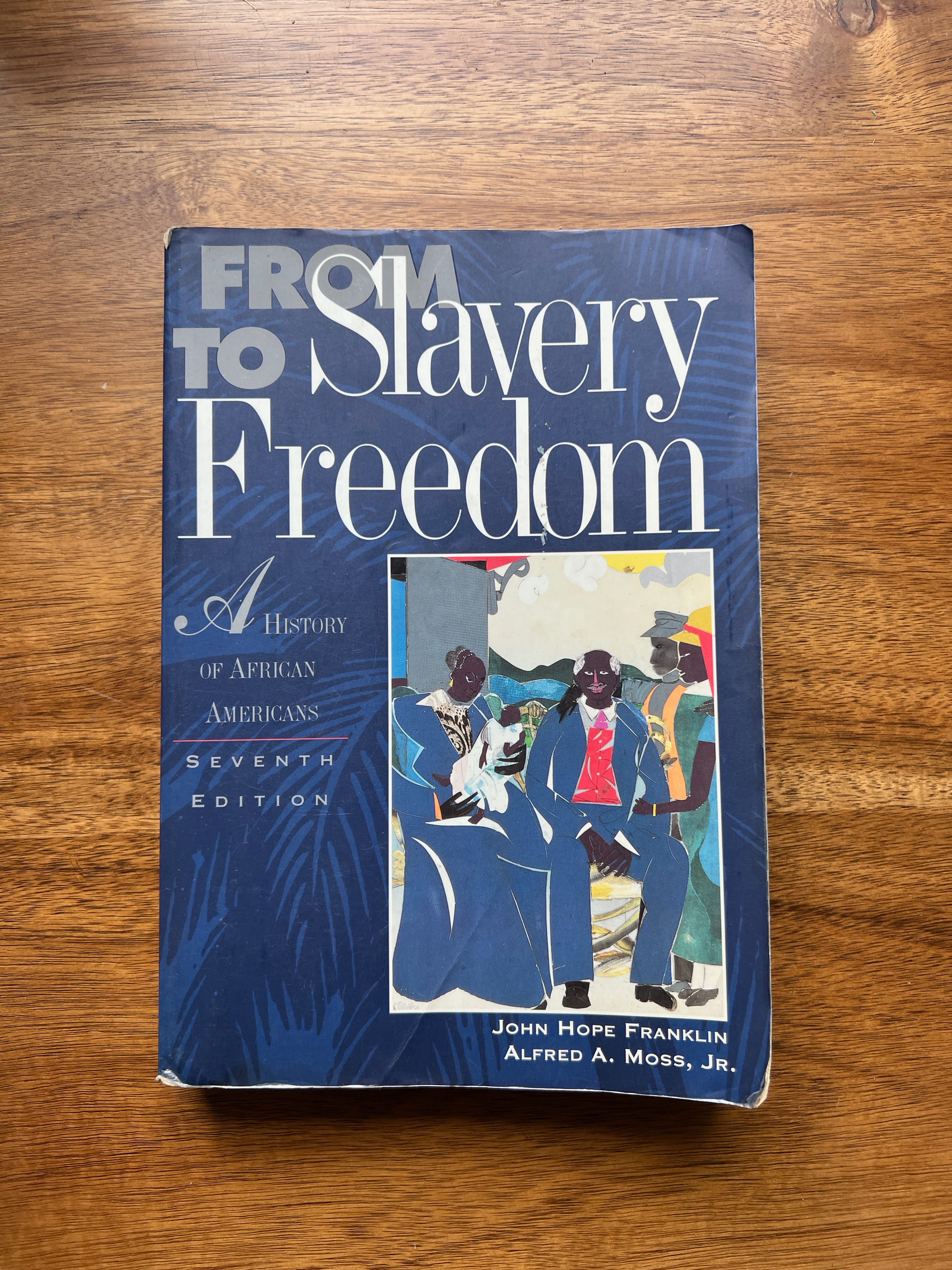
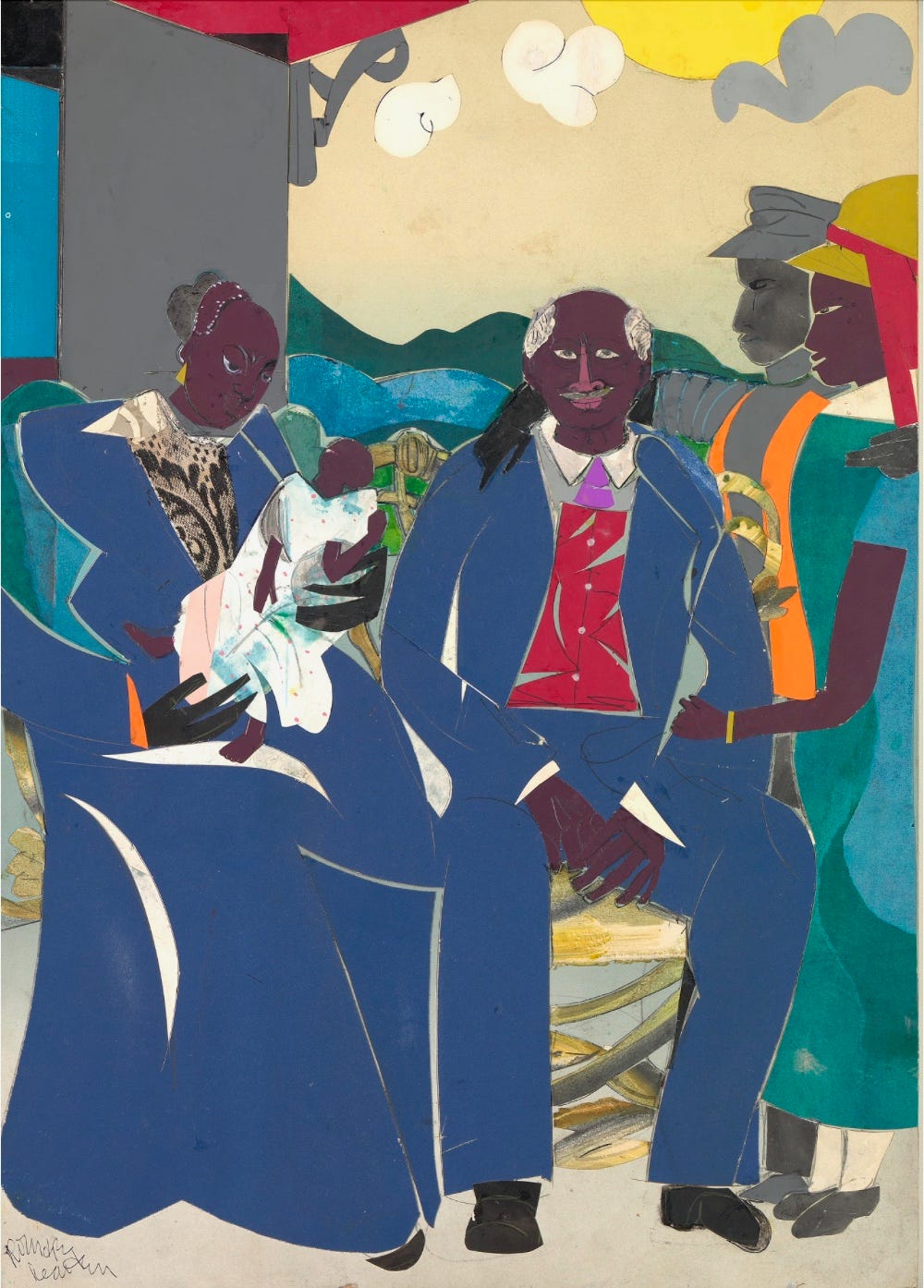
I really love this cover featuring Romare Bearden’s Family. The collage on wood is dated 1930 and is currently in the art storage of the Smithsonian museum, which is currently closed. So there goes that. This late edition of this very popular social science text (now in it’s 10th Edition) was probably one of my older sister’s book, it’s lives with me.
Incidences in The Life of a Slave Girl
By Harriet Jacobs, Edited by Koritha Mitchell
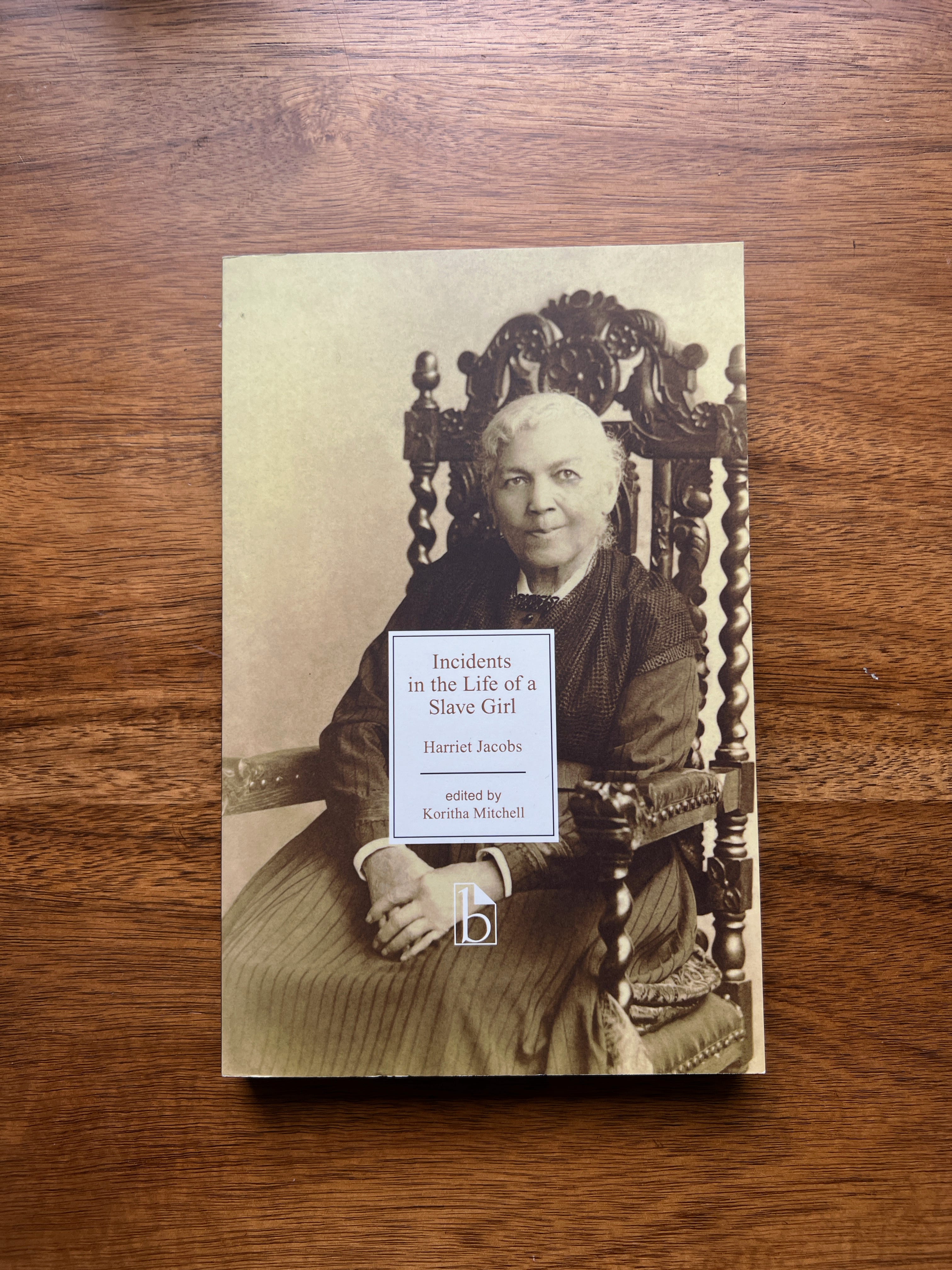
Reading the account of Harriet Jacob’s life is harrowing, and a playbook on how creativity, deep faith, and loving family and friends can help you liberate yourself - you just must be willing to make impossible sacrifices to get there. This edition is edited by Koritha Mitchell who makes this text a perfect companion for those who are new to the material. I’ll be guiding a workshop tomorrow (Sunday October 19, 2025) at The Free Black Women’s Library, using prompts from this text. Registration is still open. We’ll be offering copies of the book for participants while supplies last.
Listening to my ancestors helps to soothe me. These days feels like a valuable time to turn to them; not just because it was likely worse for them, but because we have also inherited their perseverance and determination toward survival. Paralleling my life with theirs I am reminded that there is always a way through and the suffering is not at the heart of this Black experience. We have to trust ourselves more, and not rely on big figures to “free” us. The goal has always been justice and liberation. This is intentionally tied to Hoodoo and many other African-diasporic spiritual practices and it’s praxis is crucial to its potency.
Library of Congress. 2015. “The Limitations of the Slave Narrative Collection | an Introduction to the WPA Slave Narratives | Articles and Essays | Born in Slavery: Slave Narratives from the Federal Writers’ Project, 1936-1938 | Digital Collections | Library of Congress.” The Library of Congress. 2015. https://www.loc.gov
I appreciate your narration of the stories and all the books are a must read. I would love to heard your narration in audio on the books and excerpts of the stories.
Actual chilling horror. Thank you for the recs. 🫶🏾